 To become a distributor































22Mar
4752 Views
Americans love to control the
Americans love to control the
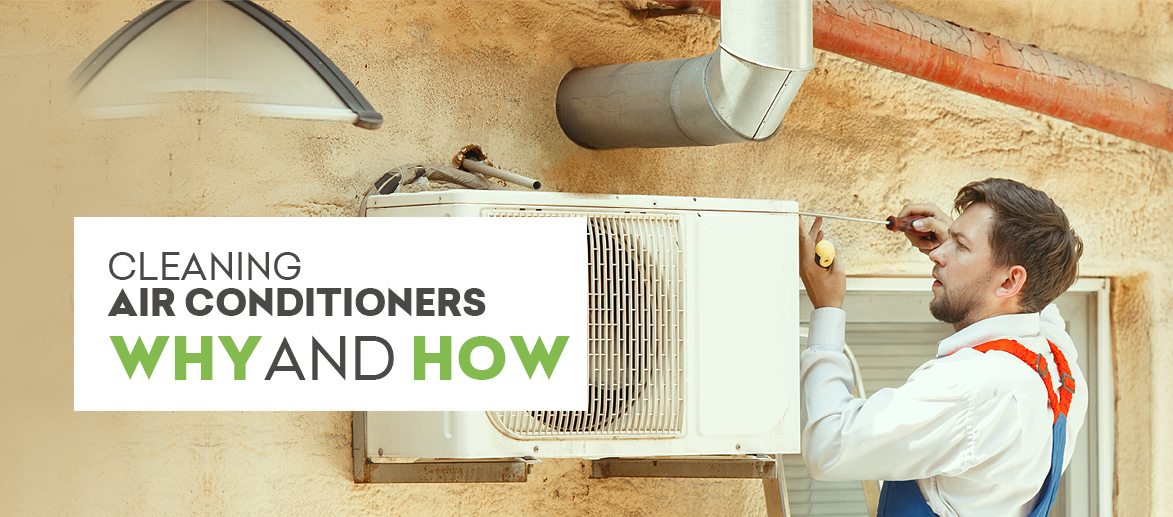
Cleaning Air Conditioners Why and How

Americans love to control the
temperature Be it winter or summer
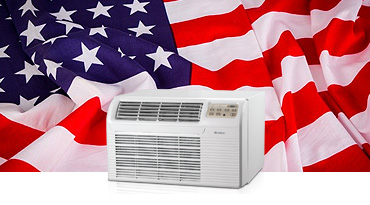
According to Statista.com, the United States imported 5.4 million air conditioners in 2018. Further, the total number of air conditioners in the country exceeds the number of people living in it.
These facts give you an idea of how much Americans love to control the temperature of the spaces they live in. Be it winter or summer, all we want is to stay comfortable, in our homes and the hotel rooms we choose. However, the most difficult part of having an air conditioner is maintaining it.

Americans love to control the
temperature Be it winter or summer
Regular cleaning is required to ensure the unit does not emanate foul odor, cools and heats a room smoothly and runs for a long time.
While the task of cleaning an air conditioner looks tedious and time-consuming, a few tips can guide you in doing a good job of it. This article will help you understand how an air conditioner works and how to clean it.
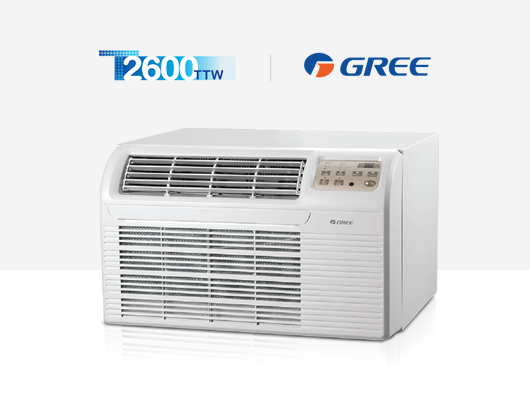
The basic job of the air conditioner is to throw out the heat inside a room and bring in cool air and vice versa. This is done with the help of two parts, outdoor and indoor, and five main components.
- Fan
- Evaporator coil that cools the air
- Compressor or an electric pump
- Condenser coil that throws the heat out
- Expansion valve
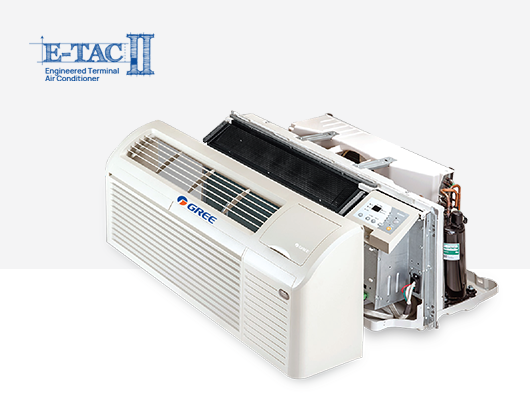 The fan in the inside unit blows air through the chilled evaporator coil, sending cool air into your room. Meanwhile outside, the compressor, condenser coil, and another fan push out the hot air. The expansion valve regulates the amount of refrigerant, a chemical that cools the air, moving between the evaporator and condenser coils.
Now that the operation is clear, let’s get to the cleaning part. For cleaning purposes, the parts you need to focus on are the fans, the filter, the compressor, and the condenser coil.
Caution: Be sure to cut off the power supply to the AC before you venture to clean it.
How to Properly Clean Your AC Unit
Vacuum the Fans:
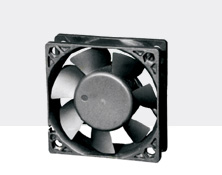
Open the case of the air conditioner unit. Keep in mind the location of the bolts according to its size. Vacuum the dust on the blower fan and wipe it with a rag. For harder dirt use a solution of half cup bleach in one gallon of warm water. The bleach should remove any mold formations too.
Replace the Filter:
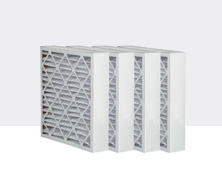
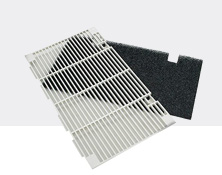
The best thing to do is to replace the filter with a new one. In some systems, filters are visibly located and in others, they are usually in the front or on top of the blower fan. Whichever the case remove the filter. The tricky part is to pick the right replacement filter for your unit. Be sure to get the right-sized filter.
Wash the Compressor:
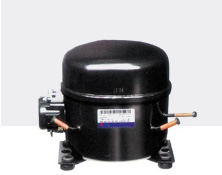
This part is where you need to be careful and thorough. The compressor has fins or very fine grill-like metal sheets closely bound that are sharp and often collect a lot of dirt. Compressor fins are located on the outdoor portion of the system. Vacuum the visible crud from the fins. Then using an AC coil cleaner and a nylon bristle brush clean the harder dirt. An important step is to straighten out the bent fins. Fin combs are available and do the job pretty quickly. Place the fin comb according to the spacing of the coils and pull up the comb to straighten the fins. Don’t forget to wear leather gloves to prevent getting nasty cuts.
Wash the Condenser Coil:
The air conditioner’s condenser is contained in the outdoor unit. Although the whole unit is called the condenser unit, it actually contains multiple components, including the condenser tubes and fins, the compressor, a fan and copper tubing, as well as valves and switches. The coils are more often than not located on the outside. First, brush out the dirt with a coil brush. Then straighten the coils using a fin comb and wash it up using the coil cleaner.
How Can You Maintain Your Air Conditioner for Better Performance?
Inspect and Clean the Drain Line
Clogged condensate drain lines can cause serious issues like leaks, water damage, and mold — none of which belong in a guest room. Regular flushing with a bleach solution keeps the line clear and odor-free.
Hotel Tip: Add this task to your quarterly deep-cleaning maintenance schedule.
Check for Refrigerant Leaks
Refrigerant loss leads to poor cooling and overworked compressors. Look for oily residue near fittings as a sign of a possible leak.
Hotel Tip: Train your staff to identify visual leak signs and call HVAC pros early to prevent system failures.
Verify Thermostat Calibration
If thermostats are miscalibrated, ACs will cycle inefficiently, driving up power use.
Hotel Tip: Calibrate thermostats every six months and consider upgrading to smart models for tighter control.
Secure and Seal AC Covers
Loose or cracked AC covers allow dust, moisture, and pests inside — reducing efficiency and hygiene.
Hotel Tip: Inspect covers and gaskets during routine room turnovers to catch issues early.
Monitor for Noise and Vibration
Buzzing, rattling, or humming could signal worn-out motors or loose parts. Ignoring them leads to breakdowns.
Hotel Tip: Encourage housekeeping and front desk teams to report unusual AC sounds immediately.
End Note:
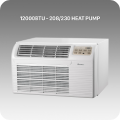
AGH Supply offers over 500 hotel supplies products – from tissues, electronics, platform bed base, towels, bed linen, cleaning supplies, to hardware. Keeping in mind that quality always comes first, we offer easy to operate, thoughtfully designed and multi-seasonal GREE air conditioning units, both in 26″ Through-the-Wall and 42″ ETAC-II variants. Please feel free to contact us for any queries.
Frequently Asked Questions
01 Why is Air Conditioner Cleaning important for hotels?
Regular Air Conditioner Cleaning helps hotels maintain consistent room temperatures, improve indoor air quality, and reduce unpleasant odors. Clean HVAC systems also consume less energy, experience fewer breakdowns, and contribute to a better guest experience while extending the lifespan of hotel air conditioning equipment.
02 How often should hotel air conditioners be cleaned?
Most hotels should inspect air filters monthly and perform complete Air Conditioner Cleaning every three to six months. High-occupancy hotels, coastal resorts, and properties with heavy HVAC usage may require more frequent cleaning as part of their HVAC preventive maintenance program.
03 Which parts of a hotel air conditioner require regular cleaning?
Routine Air Conditioner Cleaning should include inspecting and cleaning the air filter, evaporator coil, condenser coil, blower fan, condensate drain line, and AC cover. Maintaining these key HVAC components improves airflow, enhances indoor air quality, increases energy efficiency, supports reliable hotel room cooling, and helps extend the lifespan of commercial air conditioning systems while reducing unexpected maintenance issues.
04 How does Air Conditioner Cleaning improve energy efficiency?
Clean evaporator and condenser coils, unrestricted airflow, and well-maintained HVAC components help air conditioners operate more efficiently with less strain. Regular Air Conditioner Cleaning and preventive maintenance improve energy efficiency, reduce utility costs, enhance hotel room cooling, and extend the lifespan of commercial air conditioning systems, making them a cost-effective investment for hotels.
05 Why should hotels inspect condensate drain lines during Air Conditioner Cleaning?
Blocked condensate drain lines can lead to water leaks, mold growth, unpleasant odors, and costly damage to guest rooms. Regular drain line cleaning removes debris, prevents moisture buildup, and keeps HVAC systems operating efficiently. Including this task in a preventive maintenance program helps hotels protect property, improve indoor air quality, and avoid unexpected service disruptions.
06 What should procurement managers consider when purchasing hotel air conditioners?
Hotel procurement managers should evaluate equipment durability, energy efficiency, maintenance requirements, replacement part availability, warranty coverage, and supplier reliability. Choosing commercial-grade air conditioning solutions from experienced hospitality suppliers helps reduce long-term operating costs, simplify maintenance, and ensure consistent HVAC performance across guest rooms and hotel properties.
07 Are GREE Air Conditioners, Through-the-Wall Air Conditioners, and ETAC Air Conditioners suitable for hotels?
Yes. GREE Air Conditioners, Through-the-Wall Air Conditioners, and ETAC Air Conditioners are widely used in the hospitality industry because they provide reliable room cooling, simple maintenance access, and dependable performance. Selecting the right unit depends on room layout, energy goals, and operational requirements.














Leave a Reply