 To become a distributor




















28Sep
5 Views

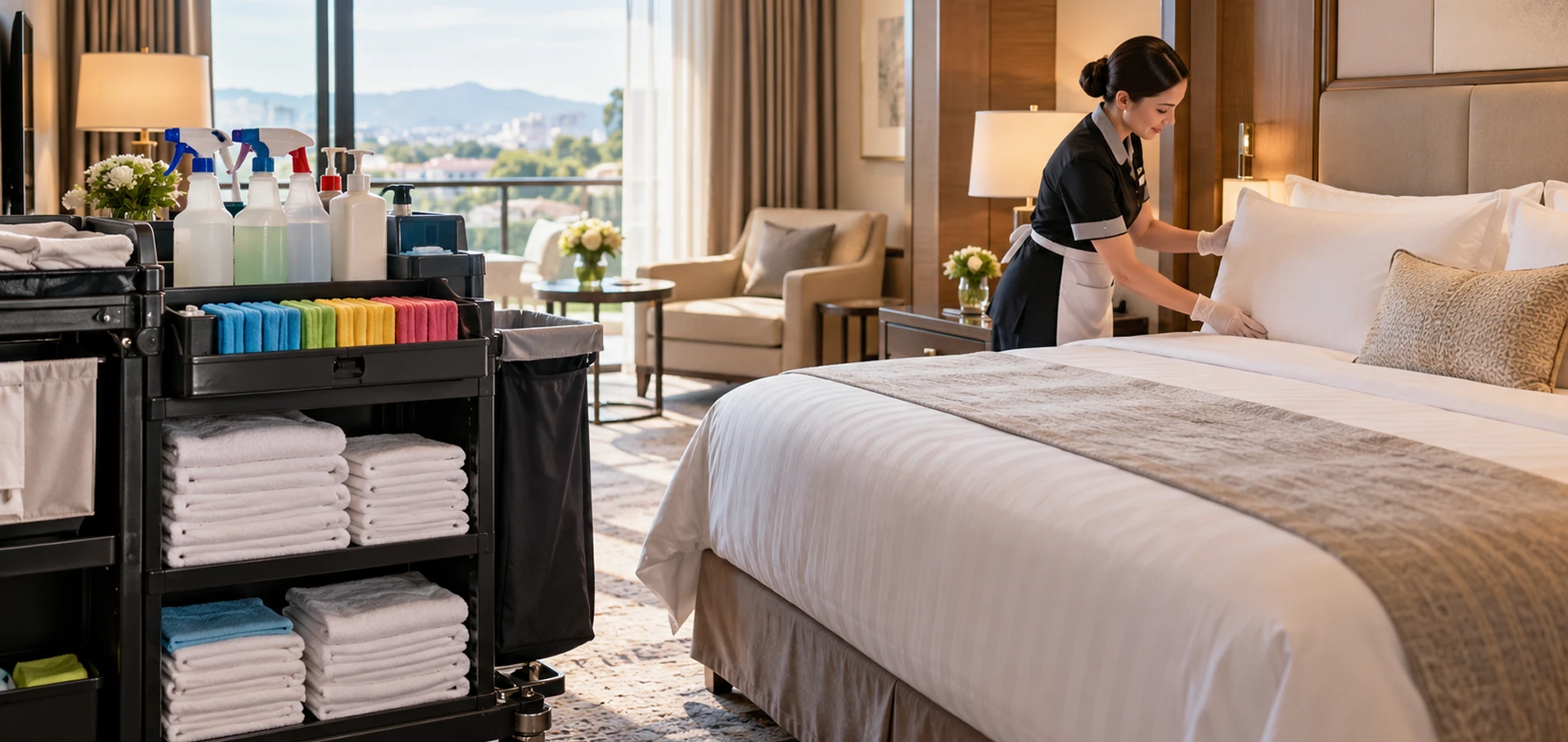
Your Housekeeping Team Shouldn’t Have to Clean the Same Room Twice
How smarter hotel cleaning supplies can reduce rework, protect linen, improve room readiness, and make everyday hotel operations more efficient.
A room can look clean and still fail the final inspection.
A streak on the mirror. A stain that survived laundry. Dust left on the furniture. A bathroom odor that returns as soon as the fragrance fades.
Every correction means another trip, another cleaning product, and more housekeeping time.
For hotel and motel owners, this is where the conversation about hotel cleaning supplies needs to change.
The goal isn't to purchase more products or find the cheapest cleaning chemical.
The goal is to get the job done right the first time.
And that begins with understanding where the property is losing time, products, and money.
What Does Cleaning a Room Twice Really Cost?
Consider a hotel preparing 60 rooms on a busy checkout day.
If 15 rooms require an additional four minutes of cleaning because something was missed or needs correcting, that represents an extra hour of housekeeping work.
If that happens five days a week, the property loses approximately 260 working hours annually, assuming 52 similar weeks.
That is an illustrative calculation, but it makes an important point.
The expense isn't necessarily in the cost of another microfiber cloth or a few additional sprays of cleaner.
It is in the repeated work.
Before changing suppliers, review the reasons rooms fail inspection. Are mirrors streaky? Are bathroom fixtures still marked? Do towels return from laundry with visible stains?
The product you need to change is often the one creating additional work.
Microfiber Towels: Why One Cloth Shouldn't Do Every Job
A housekeeper needs different cleaning results from different surfaces.
A mirror should be streak-free. Furniture should be free of dust. Bathroom surfaces need appropriate cleaning procedures.
Using the same cloth for everything can make that harder.
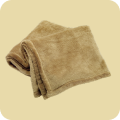
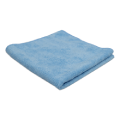
AGH Supply carries 16 × 16-inch, 50-gram microfiber towels in blue, green, and yellow. These options can support a color-coded housekeeping system.
For example, a property might reserve one color for glass, another for general surfaces, and another for bathroom cleaning.
The important thing is to establish a consistent process and change or launder cloths appropriately between tasks.
When purchasing wholesale microfiber towels, ask three practical questions:
- Does the cloth clean effectively?
- Does it retain its performance after repeated laundering?
- Does the team find it easy to handle?
The value of microfiber isn't simply how much dirt it can collect. It's how consistently it helps housekeeping finish the job.
Hotel Gloves: An Everyday Essential That Should Fit the Task
Gloves are another item that can easily become a routine purchase without much thought.
But housekeeping employees have different hand sizes and perform different cleaning tasks.
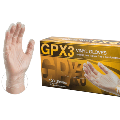
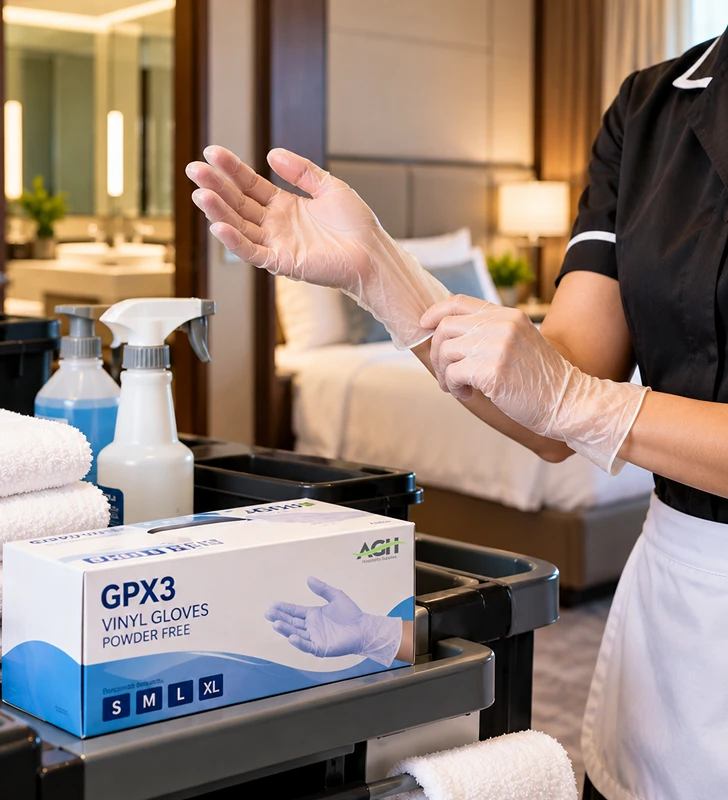
AGH's current GPX3 powder-free vinyl gloves are available in small, medium, large, and extra-large sizes.
A practical purchasing approach should account for comfort, fit, how frequently gloves need changing, and whether the selected material is appropriate for the substances being handled.
For cleaning chemicals, always check the product label and Safety Data Sheet before deciding which glove material is suitable.
Providing the right hotel gloves is about supporting employees who use these products throughout their shifts.
The Laundry Room May Be Hiding Your Biggest Cleaning Expense
A hotel can purchase good-quality towels and bedsheets and still lose money through poor laundering practices.
Imagine purchasing new white towels only to find them becoming rough, discolored, or damaged sooner than expected.
The problem may not be the textile alone.
It may involve incorrect detergent dosing, excessive chemical use, inappropriate wash settings, or repeated treatment of the same stains.
When evaluating hotel laundry detergent suppliers, ask about textile compatibility, dosing requirements, stain-removal procedures, and the laundry equipment being used.
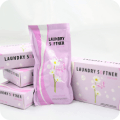
AGH's cleaning assortment includes selected laundry powder, liquid softener, bleach, and mildew-removal products. Its listed 2-ounce laundry powder and softener formats are specifically intended for coin-operated laundry applications.
The objective should be to match the product to the property's actual laundry operation.
There is also a measurable sustainability opportunity.
ENERGY STAR reports that certified commercial clothes washers are, on average, approximately 9% more energy-efficient and use about 45% less water than standard models.
Efficient equipment, appropriate laundry products, and correct dosing can work together to reduce unnecessary resource consumption.
The smartest laundry investment is one that helps your linen remain guest-ready for longer.
When a Room Smells Bad, More Fragrance Isn't Always the Answer
A room freshener should complement a clean room—not disguise an unresolved problem.
This is particularly relevant for properties dealing with moisture, damp carpeting, or recurring bathroom odors.
Before purchasing a stronger room freshener for hotels commercial use, identify what is causing the odor.
If the problem is connected to damp materials, plumbing, or ventilation, adding more fragrance may only delay the solution.
AGH carries a lemon-scented commercial air freshener in a four-gallon case configuration.
Use fragrance moderately, taking guest sensitivities into account.
For hotel owners, the better measure isn't how strongly a room smells after cleaning.
It's whether the room remains pleasantly fresh when the next guest arrives.
Your Spray Bottles May Be Creating More Waste Than You Realize
Think about how many spray bottles a housekeeping department uses over a year.
Now consider how frequently an entire bottle is discarded because the trigger stops working.
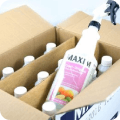
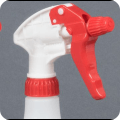
AGH lists 32-ounce spray bottles and separate 9-inch replacement triggers.
Concluding Thoughts
A clean room reflects more than good housekeeping—it reflects smart decisions behind the scenes.
The right hotel cleaning supplies help your team work efficiently, protect your property’s investments, reduce unnecessary waste, and deliver the comfort every guest expects.
Because great hospitality isn’t just about how a room looks when it’s ready. It’s about everything done right to make it that way.