 To become a distributor






























06Apr
555 Views
 A supplier quote
 A price comparison
 A quick calculation


 Reviews
 Repeat bookings
 Long-term reputation
 Team efficiency
 Operational stability
 Guest satisfaction
 Ultimately, revenue


A Reality Every Hotel Owner Eventually Experiences
- In hospitality, every decision feels immediate.
A supplier quote
A price comparison
A quick calculation
- And in that moment, choosing a lower-priced option can feel like a smart move.
- After all - saving today feels like progress.
- But hospitality has a way of revealing the real cost of decisions over time.
The Illusion of Saving in Hotel Procurement
Most hotel procurement decisions
begin with one simple
question -
What is the price?
But rarely do they begin with the more important one:
How long will this actually work for me?
Because in reality, you're not just buying hotel supplies.
You're investing in -
Daily operations
Guest experience
Team efficiency
Long-term consistency
And that's where the difference between price
and cost begins to show.
Where Lower Quality Starts to Show Up
- Lower-quality hospitality supplies
don't fail immediately.
- They fail gradually and operationally.
You start noticing it in small ways -
Towels losing softness faster
Linens requiring frequent replacement
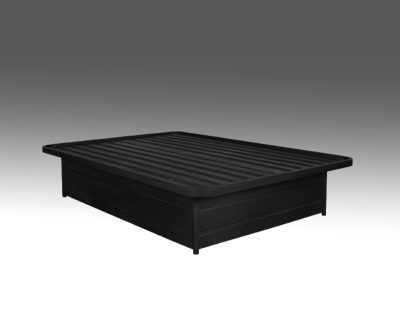
Bed frames weakening under regular use
Supplies becoming inconsistent between orders
- Individually, these feel manageable.
- But collectively, they create pressure across your entire operation.
The Math Most Owners Overlook
- Let's take a simple example many operators relate to:
Economy Wash Clothes 12x12
$125 per case × 4 replacements/year = $500
Durable Wash Clothes 12x12
$150 per case × 3 replacements/year = $450
$50 Savings + Quality Product
- At first glance, the lower price looks like a saving.
- But over time, it becomes the more expensive decision.
- And that's just the visible cost.
What about -
Staff time spent managing replacements?
Inconsistent guest experience?
Urgent reordering?
- Those costs don't appear on invoices - but they show up in operations.
Durability Is Not a Feature - It's a Financial Strategy
In hospitality, products don't exist in isolation.
They go through -
Hundreds of guest interactions
Repeated washing cycles
Continuous operational use
For example, industry studies show that hotel towels
how can with stand 400-600 wash cycles when
manufactured to higher standards, significantly extending their usable life.
When durability drops, replacement cycles increase -
and so does your operational cost.
and so does your operational cost.
Guest Experience Is Quietly Affected
Guests may not know your procurement decisions But
they feel them.
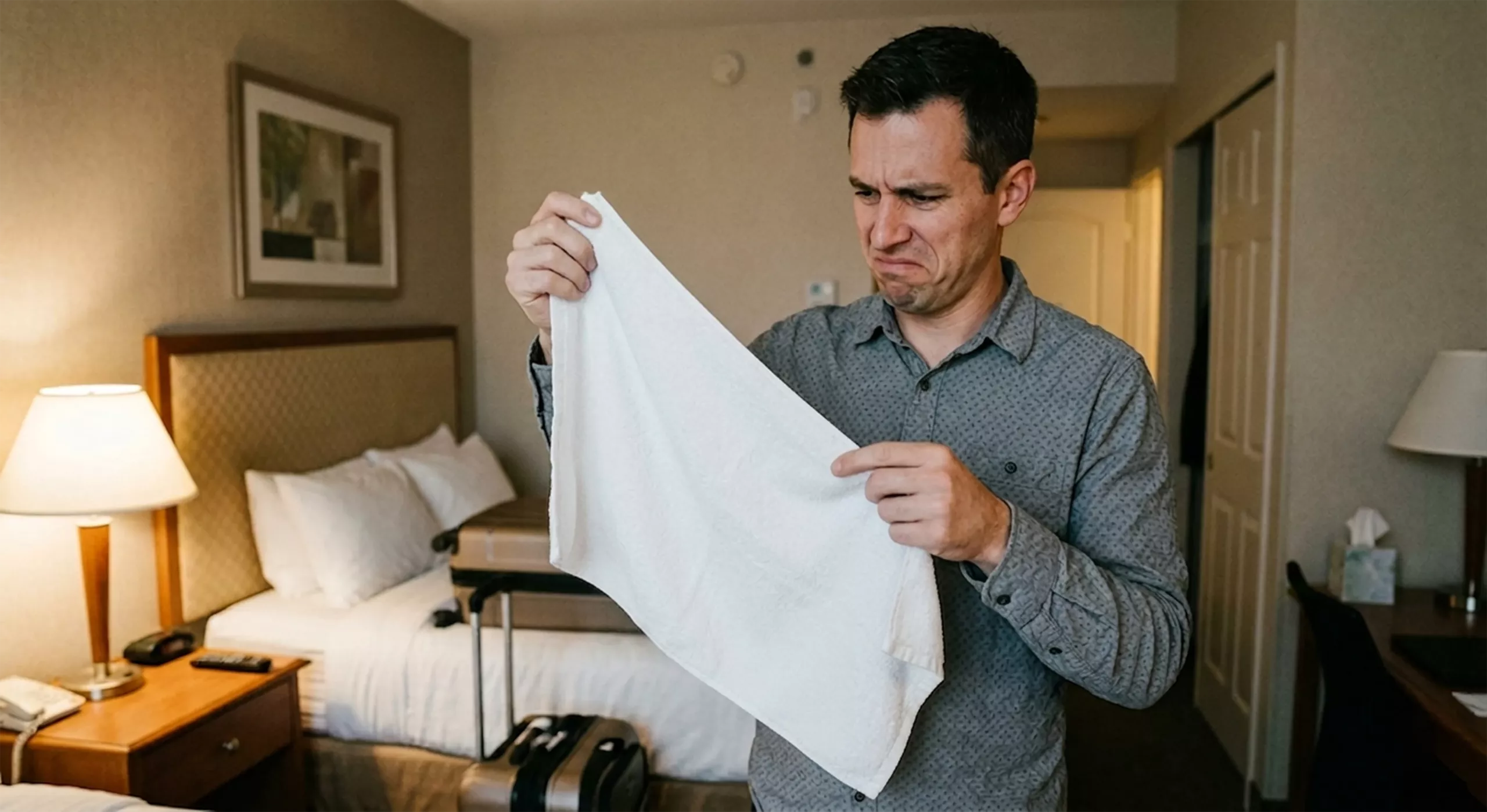
A towel that doesn't feel right
Bedding that loses comfort
Inconsistency between stays
- These don't always lead to complaints. But they do influence perception and in hospitality, perception
drives:
Reviews
Repeat bookings
Long-term reputation
The Hidden Cost of "Saving"
- Lowering quality doesn't just affect products.
It affects -
Team efficiency
Operational stability
Guest satisfaction
Ultimately, revenue
- Because what looks like a saving today often becomes a recurring cost tomorrow.
What Experienced Owners Eventually Realize
Over time, most operators shift their thinking.
The question is no longer -
“What is the lowest price?”
It becomes like -
“What will perform consistently,
every single day?”
every single day?”
Because in hospitality -
Consistency reduces stress
Durability reduces cost
Reliability builds trust
Final Thought
Lowering quality may save today.
But it rarely saves overall.
Because in hospitality, you don't just buy once.
You operate daily.
And thesmartest hotel
procurementdecisions are not the ones
that
look good on paper...
They are the ones that work - every single day.
FAQs
If you're replacing products frequently or managing repeated issues, you're likely spending
more over
time.
The key metric to focus on is cost-per-use. A product that costs more upfront but lasts
three times longer
at the same quality level is almost always the better investment.
Guests notice texture, consistency, and cleanliness — even when they don't consciously
articulate it.
Higher quality linens and towels translate directly into positive reviews.
Frequently Asked Questions
01 Why is a Hotel Procurement Strategy important for long-term hotel success?
A strong Hotel Procurement Strategy helps hotels select products based on quality, durability, and long-term performance rather than only upfront price. It supports smoother operations, reduces replacement costs, improves inventory planning, and ensures supplies consistently meet guest expectations across hotels, motels, and resorts.
02 Why should hotels avoid choosing supplies only based on the lowest price?
The lowest-priced products may create higher costs over time through frequent replacements, inconsistent quality, and operational disruptions. Hotels should evaluate lifecycle cost, durability, and performance before purchasing. A reliable procurement strategy considers the total value a product provides throughout daily hotel operations.
03 How does product durability affect hotel procurement decisions?
Durability directly impacts replacement cycles, maintenance costs, and operational efficiency. Products such as hotel towels, bed linen, and furniture experience constant daily use, washing, and guest interaction. Choosing durable hospitality products helps hotels reduce recurring expenses while maintaining consistent quality standards.
04 How do Hotel Towels influence guest satisfaction and procurement decisions?
Hotel Towels directly affect guest comfort and perception. Towels that maintain softness, absorbency, and quality through repeated commercial laundering support better guest experiences. Procurement teams should consider durability and lifecycle performance rather than selecting towels based only on the lowest purchase price.
05 How can better procurement decisions improve housekeeping efficiency?
Reliable supplies reduce interruptions for housekeeping teams by minimizing urgent replacements and inconsistent products. When hotels invest in durable linen, towels, and guest room products, staff can work more efficiently, maintain room quality, and spend less time managing supply-related issues.
06 Why is consistency important in hotel procurement?
Consistency helps hotels deliver the same guest experience across rooms and stays. Variations in towel quality, bedding comfort, or room supplies can affect guest perception. A strategic procurement approach ensures reliable products, supports brand standards, and strengthens guest trust over time.
07 Why are commercial-grade products important for the hospitality industry?
Commercial-grade products are built to withstand frequent use, repeated cleaning, and demanding hotel environments. Hospitality items such as textiles, bedding, and furniture require durable construction to maintain quality over time. Choosing reliable commercial-grade products helps hotels reduce replacements, improve operational efficiency, and achieve better long-term value.